
Timeless London #5 Fabrizio Falasca
Updated: Dec 16, 2025
在舞台上,我才覺得自己自由。我只是我自己,這樣就夠了。
時:2025年10月12日,下午四時
地:Newington Gardens, London
人:Fabrizio Falasca

跟Fabrizio相識,是因為他的樂團「愛樂管弦樂團」(Philharmonia Orchestra)正是我工作的地方的其中一個Resident Orchestra,每到樂季,他們很恆常在我們的Royal Festival Hall排練和表演;作為職業小提琴家,Fabrizio其實並不長駐倫敦,因為除了定時會回他的家鄉意大利之外,樂團本身也在Touring,會跟隨着瘋狂的時間表到世界各地演出,所以他一整年的時間是分佈在地球不同角落的;然而當他在倫敦的時候,我們就會把握時間見面。他會談他最新的近況,分享古典音樂界的一些新見聞。他又常常贈我音樂會門票,並且覺得能跟人分享音樂是他的榮幸。
我作為古典音樂重度愛好者,當然珍惜Fabrizio這樣的朋友。古典音樂是一個我一直想深深去探討,卻不知道應該怎樣進入的議題。那很大原因是因為我並沒有音樂背景,而只有單純的熱愛。我的專長是在文學方面,古典音樂卻遍遍沒有文字,然而,它的美麗和重量讓我感到一種很深的連結,一種超越言語、觸碰靈魂一般的,與世界的連結;隨着年月,我對古典音樂的愛一直只有更多而已,所以有關古典音樂的,我幾乎是什麼都想了解。而有誰會比Fabrizio,一個在倫敦其中一個頂級樂團裏的第一小提琴手,更適合陪我坐下來慢慢討論呢?
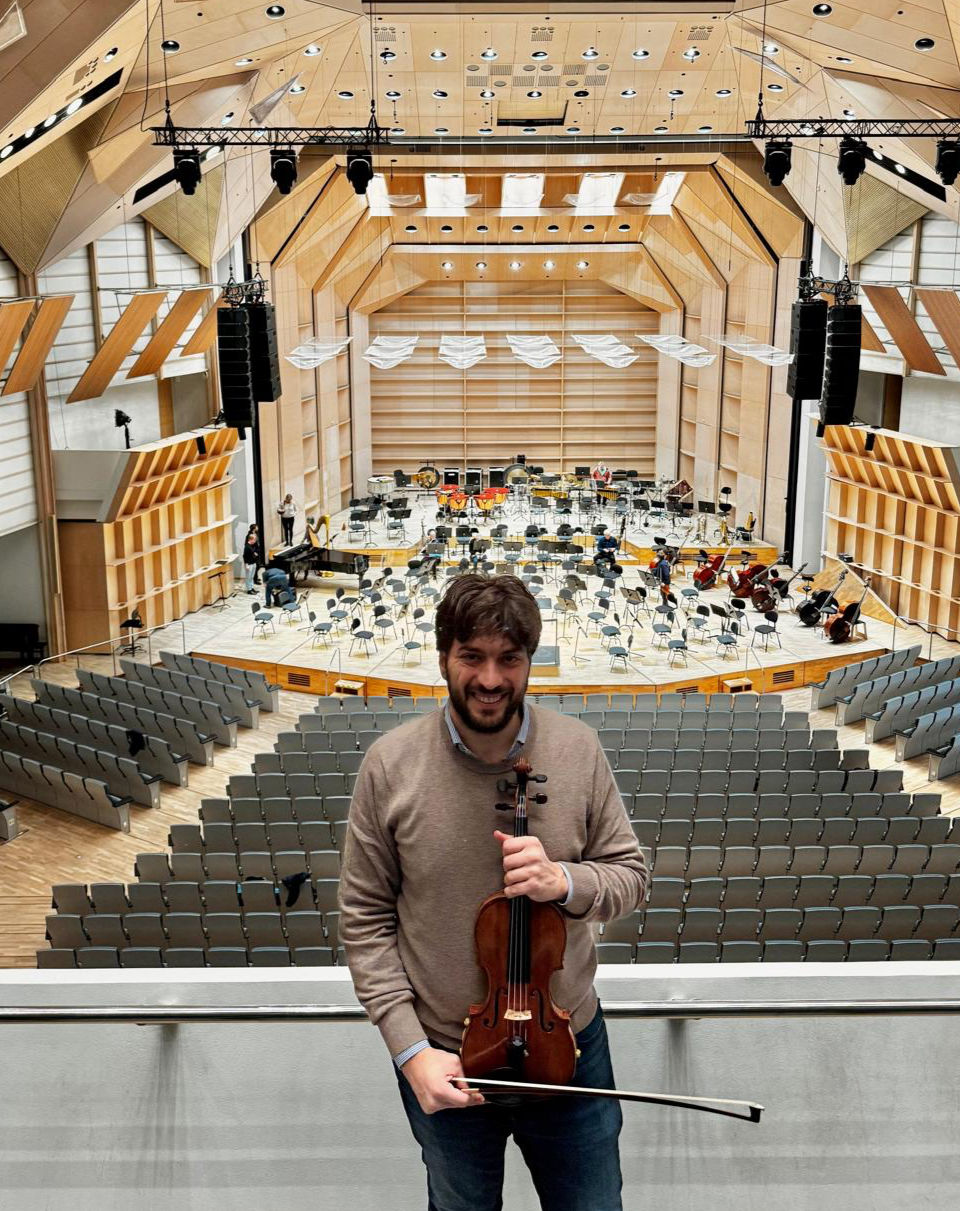
你從哪裡來?為什麼會在倫敦生活?
我是一位小提琴家,來自意大利鄰近拿坡里的小鎮Sarno。我在意大利跟隨Felice Cusano (Fiesole Music School)、Salvatore Accardo (W.Stauffer Academy) 和Dora Schwarzberg等老師學習音樂之後,在一個大師班之中認識了我後來的老師So-Ock Kim,那時我已很想到倫敦繼續增進我的技藝,又正好遇上機會經過Audition而得到了獎學金。所以在2014年,我就搬到倫敦跟隨Professor Kim在英國皇家音樂學院修讀了一年碩士,在此期間我更有幸向國際知名小提琴家Leonidas Kavakos和Maxim Vengerov學習,那也是我第一次來到倫敦學習和生活。畢業後的幾個月,我直接就在愛樂管弦樂團獲聘為助理首席。
樂手的工作通常不是全職的,所以在空餘時間,我們可以到其他地方表演。在加入Philharmonia之前,我已有被邀請到歐洲其他樂團做嘉賓首席。後來在疫情期間我回到意大利待了一年,那時候我跟意大利的一些樂團也加深了合作關係;目前,倫敦的工作佔最重,但我也在意大利拿坡里的Teatro San Carlo和位於薩丁尼亞的Teatro Lirico di Cagliari擔任樂團首席。我亦以嘉賓首席的身分,和BBC蘇格蘭交響樂團,還有歐洲不同樂團合作。
談談你和音樂、還有小提琴的緣份吧。
我的父母都不是學音樂出身的。我的外公卻對音樂非常熱愛,他跟我的父親一樣在空軍工作,但他在空餘的時間會拉小提琴,而且很有天份。我從來沒有跟我的外公見過面,因為我出生得比較晚,然而我總是覺得音樂連繫着我們;我很多家庭成員都熱愛音樂。我哥哥是小提琴手,做Freelance的表演、教小提琴,也有自己的樂團。我姐姐是彈鋼琴的,一直做音樂教育的事業。甚至連我父親在他三十歲時仍會在業餘時間學習結他和鋼琴,懷有很大的熱情;通常,喜歡音樂的家庭會讓小朋友儘快接觸音樂,但我的家庭並沒有特別要我做什麼。所以我非常的自由,一切都是自然地發生的。
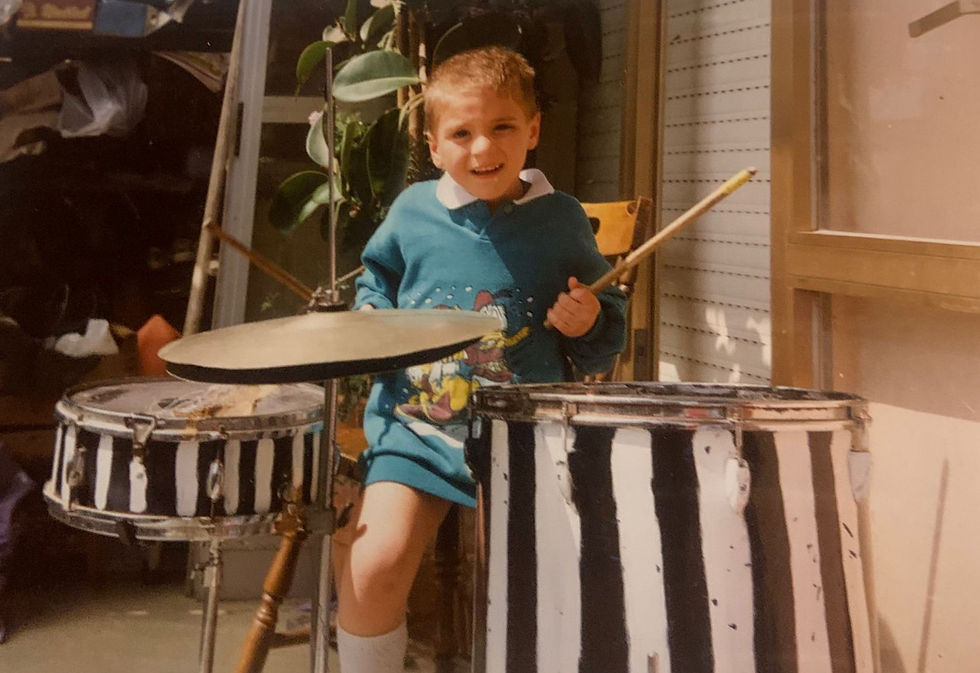
我到八、九歲的時候才第一次接觸學器。首先是敲擊樂,我嘗試打鼓,又有一段時間很喜歡色士風。我會聽很多不同類型的音樂,而其中我非常喜歡爵士樂,我覺得色士風很Present,我很喜歡,但那是短暫的熱情。之後我跟姐姐和父親學鋼琴,再之後,才遇上我命中註定的小提琴。
那時我已快十歲,對一個職業音樂家來說算是遲了,但我一學起小提琴,就深深地愛上。我覺得對我來說那就是最容易、最舒適的樂器。而我對小提琴的天份,差不多是一開始學習的時候大家就知道了。不得不提及的是,我哥哥對我的影響很重要,我以前會常常聽他在家練習小提琴。而且姐姐哥哥都比我年長很多,會帶很多朋友來我們家玩音樂,這算是我小時候音樂薰陶的一部分吧。

不是音樂世家出身的話,在古典音樂界的路會不會有點難走呢?
雖然我的家庭很熱愛音樂,但我們始終不是古典音樂世家。我的姐姐和哥哥一直生活在意大利,他們主要都是與拿坡里的本地人際網絡熟悉而已。所以對我來說,想出去外面的世界闖蕩,是更加艱難的。當然我的家庭在情感上和財政上有給我支持,例如我得到在倫敦的獎學金,他們就幫助我那一年的開支。我的父母很相信我。
但以音樂為職業始終是令人憂心的。在愛樂管弦樂團之前,即使我那時已經赢過幾個國際性的獎項了,我父母仍讓我於聖卡洛劇院樂團(Teatro San Carlo)擔任樂手,去維持穩定的收入。現在我是這個樂團的首席,但當時的我其實並不想太快就在樂團工作,因為我想專注於技巧的提煉,到我的技藝成熟為止;我想成為一個獨奏家,但在音樂的世界,很多事很難說。我已起步得較遲,又沒有很多音樂界的Connection和Network,這其實是一種孤身作戰。沒有前人提醒,你會做出很多錯誤,尤其是與人相處方面,在獨特的樂團環境之下應該怎樣待人接物?這些都是我靠自己去一一經驗和學習回來的。
所以我很慶幸有機會在倫敦學習,那真的改變了很多事情,我的小提琴技藝進步了非常多,那一年對我來說很重要。而後來在愛樂管弦樂團這個頂級樂團學到的,更是不用說的讓我非常受益。

此時此刻的你,在追求的是什麼?
在獨奏和首席的路上,我一直都有相當活躍的音樂生活,也不斷努力讓自己變好。我的目標並不是單一的,而是並行的:在首席工作之外,我希望能在世界各地以獨奏家的身份演出更多,也錄製更多專輯,把音樂所承載的喜悅、魔力與力量,真正分享和奉獻給世界。能夠帶領一個世界級的樂團,一直都是我心中的願望,尤其是在倫敦。我在倫敦已經快十年了,我很熟悉這裡的樂團環境,我知道這裡的樂團怎樣運作。我覺得是時候嘗試去爭取,去更進一步。
倫敦的古典音樂圈是一個競爭很大的世界,她的國際化意味着來自世界各地的音樂家都匯聚於此,爭取着有限的位置。在倫敦選出來的樂手,質素是非常頂尖的。而能否進入一個樂團,從來不只是靠才華或音樂造詣,而是要有很多條件配合,才能真正Get the job;就算是在樂團裡擔任Tutti(合奏)的位置,不同樂團的要求也完全不一樣。除了技術之外,你的音色是否適合這個樂團本身的聲音傳統與性格也很重要,譬如說愛樂管弦樂團的聲音就跟倫敦交響樂團(LSO)的聲音完全不同。有些演奏者技術很好,但如果他們的音色氣質與該個樂團格格不入的話,一樣無法加入。
要成為樂團首席就更具挑戰性了。即使同樣是樂團首席,也不能假設在其他地方的首席樂手到了倫敦的樂團就能勝任。像柏林愛樂樂團、維也納愛樂樂團、皇家音樂廳管弦樂團這些頂尖樂團,他們的首席幾乎都是獨奏家級別的演奏者,因為樂團本身已是世界頂尖,所以首席也必須是頂尖中的頂尖;而我,正正是向這個目標前進着。

倫敦對你來說是怎樣的呢?她跟你的家鄉意大利很不一樣吧?
實在是很不一樣。倫敦是個很Frenetic的城市,一切都快速地發生着,大家都沒有什麼時間休息。天氣當然是重要的分別,意大利的南部可是天天天晴的呢(笑)。
在音樂專業的範疇上,我覺得這個城市是歐洲之中最高水準的。像我剛才所說,這裡有最好的樂手,他們的學習和應變能力非常高,可以說在什麼情況下都能發揮很好的表現。例如我所屬的愛樂管弦樂團是個自僱樂團,意思是樂手們都不是固定的員工而是獨立表演者,每次演奏的成員都不會完全一樣。但即使在這樣的情況下,樂團仍一直保持非常出色的演出;英國有很重要的管弦樂團傳統,但在意大利,歌劇的傳統卻比較重要,所以大部分的管弦樂團其實是依附著歌劇院而生的。
倫敦的人總是很忙,一人身兼多職,沒有什麼時間留給別人。一完成樂團排練或者表演,大家就會四散趕着做其他事;但在意大利,我每完成一場演出都會跟指揮和其他樂手朋友好好聚一下,有時間和空間去做多些聯誼。演出前的排練時間也一樣,在意大利可能有三次,在倫敦卻只有一個下午而已。
然而倫敦始終是獨特的,這個城市讓我覺得什麼都有可能,她讓我有這樣的一種期盼。她很開放也很包容,很多創意和機會都可以在這裡發生。

這或者是個很難答的問題,但我一直有個疑問:作為非音樂人,要去分辨不同演奏者的
水準,並不容易。我知道能成為一個職業演奏家或者是樂手這件事本身,已代表了他們
的水準一定是很高的;不過,聽不同的演奏者表演同一首協奏曲,我仍是有我比較喜歡
的版本。這真的純粹是個人喜好的問題嗎?還是當中有一定的音樂上的客觀標準?
每個演奏音樂的人都有不同的水平的。首先是技巧,技巧是你駕馭一種樂器的能力,這是第一個可以聽出兩個演奏者的不同的關鍵點。雖然大家都達到標準,但是技巧的高低,即使很微小,仍是有分別的。
其次則是Musicianship,音樂上的修養和造詣:你如何去創造你的音樂、怎樣去看待和詮釋音樂、你的音樂個性是怎樣的等等,這是關於你怎麼樣用音樂去啟發你身邊的人;性格也很重要,你的性格會反映在你的演奏上,就如著名小提琴家David Oistrakh對演奏的態度一樣:We play as we are。我很認同這種哲學。
不過,我們會喜歡一位演奏家,往往是因為很多不同元素。或者是被他的個性吸引,或者是他如何拉琴、他手勢的流動、樂句的處理等等,這些細節的結合,構成了每個人獨特的差異。
(筆者:對於不是音樂專業的人,要怎樣分辨這些差異呢?)就算你完全不了解音樂技巧,還是能立即聽出有人走音或音色不夠美的,在小提琴上更是明顯。又或者,有時你只是單純不喜歡某一段音樂的詮釋方式而已,那可能是因為你習慣了另一個版本,而期望它也會被那樣演奏。但事實上,每個演奏者都有不同的處理,你仍是可以感受到某種不同的詮釋到底是「音樂的」還是「不對的」。
(筆者:我對不同鋼琴家的喜好分別非常明顯,但我覺得那與技巧的好壞沒有絕對關係。)對,正是如此(笑)。那是一種整體的感覺:詮釋、情感、將音樂傳遞的方式,都是很個人的事。或者那位演奏者的詮釋恰好貼近你的性格,但對別人而言可能卻毫無共鳴。因為每個人都有不同的性格與聆聽方式,所以音樂世界才會如此多樣。

你怎樣看一個音樂家的命運?我常常想,世上可能還有很多富有才華的音樂家,只是
他們未必選擇做職業音樂家和登上國際舞台而已。
像David Oistrakh、Jascha Heifetz這種級別的音樂家,他們是無可取代的存在。要讓他們的才華被埋沒,根本是不可能的事。因為他們實在太突出、太耀眼了,那已是小提琴家的巔峰層次,是才華的極致。
當然,也有一些人可能也有才華,卻因為沒有做對選擇而未被發掘。他們也許太安於自己出生的地方,不願向外走,不出國深造。這些人可能仍然會有不錯的職業音樂生涯,但不會是那種享譽世界的級別。

至於那些並非國際巨星,但穩穩前行的獨奏家,除了才華,還有太多其他因素去決定成功與否。比如能否遇到好的經理人和公司、有沒有合適的人脈、能否在對的時間做對的決定等等。如果這幾項都做對了,即使你不是像Maxim Vengerov那樣天賦極高,也或者能把自己的潛能發揮到最極致吧;做音樂家也要有頭腦,要懂得選擇和推廣自己。
而另一群人,則成為樂團首席。這需要非常強大的性格與領導力,有些人只想拉琴而不想領導別人,因為壓力全部在你和指揮身上。樂團首席同樣是獨奏家,只是以不同形式存在。如今許多樂團首席也會擔任協奏曲的獨奏,例如我自己在六月時與樂團演出過西貝遼士的小提琴協奏曲;要達到這個水準,仍需極高的能力。雖然不及Vengerov那樣高(笑)── 純粹的獨奏家在全世界大概只有二三十個人吧?在八十億人口中,那是極少數。他們特別有天賦,也具備所有應有的條件。
除了是樂團的樂手之外,你也以獨奏家的身分演奏過不少獨奏會。例如今年夏天,
你就在意大利獨奏Sibelius的小提琴協奏曲,還登上了當地的報紙呢(笑)。我很好奇你怎樣準備你的演出、你的心理建設是怎樣的?
知道會有一場這樣的演出,我通常會提前練習。由於我本身也在樂團裡工作,所以不像全職的獨奏家那樣可以有一整天用來練琴。我得在工作以外的時間做準備,這意味著要更早開始練習,這大概就是我的秘密吧。
在正式演出前,我會安排幾次小型的試演,有時是在家裡請朋友來聽,有時只是自己模擬表演一次,這樣我可以檢視音樂是否已達到我理想的標準。若是與樂團合作的話,通常排練只會有兩、三次,甚至只在演出前一天進行,並不像只需跟鋼琴配合那樣可以自由地練習。樂團排練的緊密,讓你必須在任何時間都有準備好上台的信心。
我覺得準備充分、練得夠熟就會少一點緊張。不過這也取決於你在哪裡演出、與哪個指揮和樂團合作,心理上這些都會造成壓力的。對我來說,當我在自己熟悉的地方演奏,觀眾裡都是熟人、同事、朋友的話,那種壓力比在陌生城市表演更大。
到真正上台的時候卻不能怕,不能讓觀眾看到你的緊張。那一刻,你必須像演員一樣,把所有能量傳遞出去,微笑、交流、讓音樂流動。我對自己唯一的叮嚀就是要集中,不要想太多。上台後就只是拉琴,別的都不存在。要專注但同時又要有音樂性,讓自己享受其中。畢竟,全場的人都是為你而來,他們對你有所期待,而你永遠不知道他們想從你身上聽到什麼。
不過我真是很享受在音樂會上演奏,那跟參加比賽的感覺很不一樣。比賽讓人覺得被審判,但在音樂會裡,我才覺得自己自由。我只是我自己,這樣就夠了。
如果可以,你想……?
我想世界上不要再有戰爭就好了。這是第一件事。世界上少一點戰爭,多一點和平。
在音樂上,我希望音樂家會重新被真正重視。現在有些樂團會倒閉,是因為音樂沒有被重視。在以前六七十年代,音樂世界更豐富也更被珍惜,我希望能回到那樣,因為現在大家對古典音樂的關注越來越少了。
(筆者:你覺得古典音樂的未來是什麼?)
你又問我很難答的問題了(笑)。偉大的作曲家如貝多芬和莫札特,他們的音樂永遠都會存在,這是永恆的。但世界的確也在變。以倫敦為例,傳統正在慢慢消失,音樂節目變得更開放。現在,更多當代作曲家的作品被加入曲目,我覺得這很好,我猜未來這個趨勢會越來越常見。
(筆者:我很欣賞你身為專業的古典音樂家,仍有如此廣闊的胸襟去欣賞不同類型的音樂,我作為一個purist,根本沒法欣賞當代音樂啊)
哈哈,當代音樂之中,有些作品是很不錯的,有時更會有有趣的東西可以發掘,但它和過去的音樂完全不一樣。我不抗拒這樣的音樂,只要它是好的。
這些作曲家很棒,但老實說,我猜沒什麼能比得上莫札特、貝多芬、馬勒、舒曼,或者布拉姆斯等等了。真的。

明年今日,你會在做甚麼?
明年這個時候我會在哪裡?其實我也說不準,我的行程是很難預測的。只能說,我會繼續我現在努力的方向吧,繼續努力前進。
除了專業上的願望,我也希望能在生活裡找到更多平衡,也要找到屬於自己的時間。這幾年我幾乎沒有想過自己,因為根本沒有時間去想。我總是在巡演、飛來飛去,所以我希望有時間照顧自己的健康,也好好照顧私人生活。我希望能這樣做。

訪問之前,我其實有幸地觀賞了Fabrizio樂團的私人綵排,當中包括一位我非常喜愛的冰島著名鋼琴家,彈奏貝多芬其中一首鋼琴協奏曲。在我努力強裝鎮定收起我的驚艷、欣賞他如何氣定神閒在鋼琴未進入協奏曲前呷著茶散著步的姿態以外(他的神態就如他的演奏一樣精美又優雅,果然是「We play as we are」!),我深深被打動到的,是樂手們演奏之時,彼此之間非常有默契的眼神和笑容。我猜無論樂手生涯是多麼忙碌,音樂本身,始終是一種如此讓人享受、如此美好的存在。

我希望Fabrizio能達成他所想要的。而除了音樂之外,我更希望他忙碌的生活方式可以稍歇下來,做做拉小提琴以外的事。只因他亦是一名射擊運動好手。射擊運動本身就是一種紀律,和小提琴需要精準、專注與節奏的性質很相像。Fabrizio擅長於動態射擊,在意大利既有槍械執照又有教練資格(國際實用射擊聯盟),甚至贏過一次錦標賽呢;某次我向他坦露我的秘密夢想是成為一個很有型的女版福爾摩斯或者007之類的特務,「要懂得用槍的」,他就說:「你來意大利讓我教你不就行了?」── 我悄悄地,希望有一天這也會成真。
專欄簡介
用心生活的人都是值得欣賞的。在倫敦,我召集了十二位用心生活的人,他們有著不同的
背景、職業、愛好、生活方式,但共通的是,他們對生活有著熱情的心。我一一訪問,紀錄他們當前狀態,希望一年後,這個小小的時間囊會成為他們檢視生活的美好回憶。
作者簡介
大學中文系畢業、英國University of Leicester博物館及畫廊研究碩士。目前在倫敦某大型
文化藝術中心工作,並以教廣東話作為點綴;兩屆青年文學獎得主,作品曾刊《字花》、
《別字》等,著有專欄〈原來都走到這裡〉刊《大頭菜文藝月刊》。喜歡村上春樹、古典
音樂、伯爵茶和鄰居的貓。
Timeless London
#5 Fabrizio Falasca
Date: 12 October 2025, 4 PM
Location: Newington Gardens, London
Guest: Fabrizio Falasca
I met Fabrizio because his orchestra, the Philharmonia, happens to be one of the resident orchestras at the place where I work. During each concert season, they rehearse and perform regularly at our Royal Festival Hall. As a professional violinist, Fabrizio doesn’t stay in London for long stretches of time. Apart from returning to his hometown in Italy, the orchestra itself is often touring, following a hectic schedule that takes him around the world. His year is divided across many corners of the globe. But whenever he’s in London, we make sure to meet up. He would tell me about his latest projects, share snippets from the classical music world, and often gift me concert tickets. He truly believes that sharing music with others is an honour in itself.
As a devoted lover of classical music, I truly treasure having a friend like Fabrizio. Classical music has long been something I yearned to understand more profoundly, yet never quite knew how to enter. Perhaps because I was never trained in it, only guided by love. My strength has always been in literature, and classical music, with its absence of words, lies on the other side of that boundary. Yet its beauty and gravity have always spoken to me with a deep sense of connection – something that transcends language, something that reaches directly into the soul. Over the years, that love has only deepened. So when it comes to classical music, I want to understand everything about it. And who better to explore it with than Fabrizio – a first violinist in one of London’s finest orchestras?

Who are you, and what brought you to London?
I’m a violinist from Sarno, a small town near Naples in southern Italy. After finishing my studies in Italy with Felice Cusano (at Fiesole Music School), Salvatore Accardo (at W.Stauffer Academy) and Dora Schwarzberg, I met my future teacher, Professor So-Ock Kim, at a masterclass. At that time, I was already thinking about coming to London to further my studies, and as luck would have it, I passed the audition and received a scholarship. So I moved here to study at the Royal Academy of Music for my master’s degree – my first time living here. During this time, I had the chance to have masterclasses with renowned violinists Leonidas Kavakos and Maxim Vengerov. A few months after graduation, I joined the Philharmonia Orchestra as Assistant Concertmaster.
Our work as orchestra musicians isn’t entirely full-time, so we often perform elsewhere when our schedule allows. Before joining the Philharmonia, I was already invited to appear as guest concertmaster with various European orchestras. Later, during the COVID period, I went back to Italy for a year and deepened my collaborations with several Italian orchestras. Now, my main base is still in London, but I also serve as concertmaster with Teatro San Carlo in Naples and Teatro Lirico di Cagliari in Sardinia. From time to time, I’m invited to perform as guest concertmaster with several orchestras such as the BBC Scottish Symphony Orchestra, the Royal Philharmonic Orchestra and other orchestras across Europe.
Tell me about your relationship with music, and of course, with the violin.
Neither of my parents studied music, but my grandfather, who worked in the Air Force like my father, loved music deeply. He played the violin with great passion and natural talent. I never met him, I was born much later. But somehow, I always felt connected to him through music. Many of my family members love music. My brother is a freelance violinist, he performs, teaches, and has his own ensemble. My sister is a pianist who has devoted herself to music education. Even my father, at the age of thirty, was still learning guitar and piano in his spare time, purely out of passion. You know how some families encourage their children to learn music at a young age? Mine never did. So I was free. Everything unfolded naturally.

I first began learning an instrument when I was about eight or nine – percussion, actually. I played the drums for a while, and later became fascinated by the saxophone. I listened to all kinds of music, especially jazz; I loved how present the saxophone sounded. But it was a short-lived passion. After that, I learned piano with my sister and father, and eventually, I met the violin, the instrument that was meant for me.
By then, I was almost ten, which is considered late for a professional musician. But from the moment I picked up the violin, I fell completely in love. It felt natural, almost effortless, as if it had always been a part of me. And from the very beginning, it was clear that I had a gift for it; My brother’s influence was especially important. I used to listen to him practise the violin at home, and both he and my sister would often invite friends over to make music together. Those gatherings, full of music and laughter, became part of the soundscape of my childhood.

Was it difficult to find your path in the classical world without coming from a musical family?
My family loved music, but we’re not what you’d call a ‘musical dynasty’. My siblings stayed in Italy and mostly knew local musicians around Naples, so for me, to go abroad and try to make a career elsewhere was a much bigger challenge. My parents supported me emotionally and financially, when I got the scholarship to study in London, they helped with my expenses. They always believed in me.
Still, choosing music as a profession is always uncertain. Even after I’d won a few international competitions, my parents encouraged me to take a stable orchestral job at Teatro San Carlo, to have a steady income. I’m now the concertmaster there, but back then, I didn’t want to join an orchestra too early. I wanted to keep refining my skills until I felt truly ready; my dream was to become a soloist. But in music, nothing is ever certain. I started relatively late, had not many connections or networks, it really was like fighting alone. So I made mistakes, especially in adapting to the dynamics of orchestral life. I had to learn everything on my own, through experience.
That’s why I’m grateful for the chance to have studied in London. It changed everything. My violin playing improved tremendously. And what I learned later at the Philharmonia, one of the world’s finest orchestras, was beyond measure.
At this moment, what are you pursuing?
I’ve built a prolific life as both a soloist and a concertmaster, and I’m constantly working to refine myself as a musician. My goals are not singular; they move in parallel. Alongside my concertmaster career, I hope to appear more frequently as a soloist around the world, to keep recording solo albums, and to share the joy, magic, and depth that music can carry.
Guiding a world-class orchestra as its concertmaster has always been in my mind, and I remain open to opportunities, especially here in London. I’ve been in this city for more than ten years now, and I know how the orchestral world works here, how each ensemble thinks, functions, and breathes. I feel that it’s time for me to step forward.
The classical music scene in London is fiercely competitive because it’s truly international. Musicians from all over the world come here to compete for only a handful of positions, and those who are chosen are of the highest standard. Getting into an orchestra isn’t just about talent or musicianship; so many different elements must align for you to actually get the job. Even among orchestras, the standards for section players vary greatly. Beyond technique, what really matters is whether your sound suits the orchestra’s character and tradition. For example, the sound of the Philharmonia is completely different from that of the London Symphony Orchestra. A brilliant player might still not fit in if their sound or musical temperament doesn’t match the orchestra’s own identity.
To become a concertmaster is even more demanding. You can’t assume that someone who serves as concertmaster in another part of the world could automatically do the same in a London orchestra, for example. In top-tier orchestras such as the Berlin Philharmonic, Vienna Philharmonic, or Royal Concertgebouw Orchestra, the concertmasters are almost at a soloist level, because the orchestra itself is world-class, so its leaders must be the best of the best. And that’s the direction I’m moving toward.
What does London mean to you? It must be very different from Italy.
It’s completely different. London is frenetic. Everything moves fast, no one seems to have time to rest. And of course, the weather is another story. In southern Italy, it’s sunny almost every day (laughs).
From a professional point of view, London has the highest standard of orchestral playing in Europe. As I mentioned earlier, the musicians here are exceptional, their adaptability and learning speed are incredible. Regardless of the circumstances, they can always deliver a strong performance. The Philharmonia, for example, is a self-employed orchestra. Its players are independent musicians rather than full-time employees, and each concert’s lineup changes slightly. Yet the orchestra always maintains an excellent level. That’s part of Britain’s strong symphonic tradition; in Italy, things are different. Opera is the heart of our musical heritage, so most orchestras are closely tied to opera houses.
Life here in London is busier. Everyone has several jobs, and there’s little time left for socialising. After a rehearsal or concert, people scatter, rushing to their next commitment. In Italy, after a performance, I’d usually go out with the conductor and other musicians. There’s more space for conversation, more time to connect. It’s the same with rehearsals: in Italy you might have three, while in London there’s only one afternoon.
Still, London is unique. This city gives me a feeling that anything is possible. It’s open, generous, and full of creativity and opportunity.
This might be a difficult question, but it’s something I’ve always wondered about: As someone who isn’t a musician myself, I often find it hard to understand how to distinguish between different levels of performance. I know that anyone who becomes a professional musician must already possess a very high level of skill – yet when I listen to various interpretations of the same concerto, I still find myself preferring one version over another. Is that purely a matter of personal taste, or are there objective musical standards at play?
Every musician plays at a different level. The first difference you can hear is technique – your ability to command your instrument. Even among professionals, there are subtle variations in precision, control, and sound.
The next is musicianship – your artistic depth and understanding of music: how you create, interpret, express, and how your personality flows into it. Character matters because who you are always shapes how you play. As the great violinist David Oistrakh’s philosophy: ‘We play as we are’. I deeply believe that.
But the reasons we like certain performers often go beyond sound alone. It could be their personality, the way they move, their phrasing, or their emotional sincerity – all those small details combine to form their unique presence.
(Iris: For non-musicians, how can we tell these differences?) Even if you know nothing about technique, you can usually tell when someone is out of tune, or when their tone isn’t beautiful, especially on the violin. Sometimes you just don’t like a certain interpretation because you’re used to another version and expect to hear it that way. But still, you can sense whether a performance feels musical or simply off.
(Iris: My preferences between pianists are often strong, but not necessarily related to skill.) Exactly. It’s an overall feeling: interpretation, emotion, the way someone transmits music – it’s all very personal. Maybe their expression mirrors your own temperament, so it resonates with you, but not with others. That’s the beauty of music: it allows for endless individuality.
How do you see a musician’s destiny? I often wonder if there are many gifted musicians in the world whose talents remain hidden, perhaps simply because they chose not to pursue a professional career or never had the chance to appear on an international stage.
Artists like David Oistrakh and Jascha Heifetz belong to a completely different realm. Their brilliance is impossible to hide. It’s simply not conceivable that such talent could ever go unnoticed. They stand at the very summit of violin playing, the absolute peak of artistry.
But there are also musicians with great potential who, perhaps through circumstance or choice, never quite reach that level. Some stay rooted in their hometowns, unwilling to explore beyond what’s familiar. They might have fulfilling local careers, but not the kind that spans continents.
For musicians at an established soloist level, success depends on far more than talent alone. There are so many other elements: meeting the right agent, building connections, taking the right steps at the right time. If you manage all of that, even without being a Maxim Vengerov, you might still fulfil the highest expression of your own talent. Being a musician also means being strategic; you have to know how to choose, how to promote yourself, and how to manage your own path.
Then there are those who become concertmasters: musicians with not only skill but leadership and a strong mind. Some players prefer to focus purely on the instrument; they don’t want the pressure of leading. But to be a concertmaster, you must carry both the technical demand and the weight of responsibility. The entire orchestra depends on you and the conductor.
A concertmaster is, in essence, also a soloist – just in a different form. Many of them perform concertos with orchestras. I myself played Sibelius’s Violin Concerto with my orchestra this June. To play at that level requires extraordinary ability, though perhaps not quite the same as a Vengerov-level soloist (laughs) – after all, there are only twenty or thirty people in the world who sustain that kind of top solo career. Out of eight billion, that’s a rare thing. They are exceptional not just in talent, but in every other quality that shapes a musician’s life.
You have been performing as a soloist. For instance, this summer you played Sibelius’s Violin Concerto in Italy, which even made the local news (laughs).
I’m curious: how do you prepare for those concerts, both technically
and mentally?
When I know I have a solo performance coming up, I start practising in advance. It depends on the difficulty of the piece, of course, but since I also work with an orchestra, I don’t have the same luxury of time as a full-time soloist. So I prepare earlier – that’s the only way.
Before the concert, I often do a few small trial performances, sometimes at home for friends, sometimes just alone. It helps me see whether the music has reached the level I want. If I’m performing with an orchestra, there are usually only two or three rehearsals, sometimes just one the day before the concert. It’s very different from working with a pianist, where you can rehearse more freely. Orchestras have fixed schedules, you need to be ready to perform at any time.
The more prepared you are, the less nervous you’ll be. But the pressure always depends on where you’re playing, who the conductor is, and which orchestra you’re with. For me, playing in a familiar place actually brings more pressure. If the audience was full of people I knew, colleagues, friends and family, that felt heavier than playing somewhere new.
But once you’re on stage, you can’t let fear show. You have to smile, to send your energy outward, to be an actor in the best sense – expressive, alive. You must concentrate only on your violin and the music. Don’t think about anything else. When I perform, I tell myself: Just make music! – that’s it. Be focused and concentrated, yet still full of music. You must enjoy it too. Because everyone in that hall came for you, each with their own expectations, though you’ll never know exactly what they are.
Still, I enjoy performing far more than competing. Competitions make me feel judged; concerts make me feel free. In performance, I can simply be myself – and that’s enough.
If you could, what would you wish for?
I’d wish for a world without war. That’s the first thing. Less conflict, more peace.
And in music, I wish musicians could once again be truly valued. These days, some orchestras close down because music isn’t appreciated the way it used to be. In the 1960s and 70s, music was richer, more deeply cherished. I wish we could return to that.
(Iris: What do you think about the future of classical music?)
You always ask the hardest questions (laughs). The great composers – Beethoven, Mozart – their music will always remain. That’s eternal. But the world is changing. Take London: traditions are slowly fading, and concert programmes are becoming more open. More contemporary works are being performed, and I think that’s a good thing. I believe this trend will only grow.
(Iris: I admire how open you are to different kinds of music. As a purist, I have difficulty appreciating most contemporary works!) (laughs)
Some contemporary works are truly interesting, sometimes even full of surprises. But they’re an entirely different kind of music work. I don’t resist new music, as long as it’s good.
But still, Mozart, Beethoven, Mahler, Schumann, or Brahms remain in a realm of their own. Truly.
One year from today, what do you think you’ll be doing?
Where will I be this time next year? Honestly, I can’t say for sure. My schedule is always unpredictable. All I can say is that I’ll keep going in the same direction I’m working toward now: striving to pursue my goals.
Beyond my professional goals, I also hope to find more balance in life, and more time for myself. These past few years, I’ve barely had a moment to think about my own life, because there’s simply been no time. I’m always on tour, always flying somewhere. So I hope I’ll have a little more space to take care of my health, and to look after my personal life as well. I hope I can do that.
Before this interview, I had the rare chance to watch Fabrizio’s orchestra in private rehearsal. The hall was filled with the swell of Beethoven, one of his piano concertos, performed by an Icelandic pianist I have long admired. I tried my best to hide my awe, pretending to be calm as I watched him sip tea and stroll casually before his piano entrance. His composure was almost as elegant as his playing – We play as we are, indeed; what moved me most, though, wasn’t just the music. It was the exchange of glances between the musicians, the small smiles they shared while performing, the quiet understanding that lives inside sound. However demanding their lives may be, the joy of making music together seems to remain intact.
I found myself wishing, almost instinctively, for Fabrizio to reach everything he hopes for. Beyond music, I also hope that his relentlessly moving life will one day slow down a little, so he can enjoy other parts of himself. Because, as it turns out, Fabrizio is also a sharpshooter – yes, really. Shooting, for him, is a passion born from the same place as the violin: it requires precision, rhythm, and discipline. He is trained in dynamic shooting (IPSC) with handguns, holds both a gun license and a coaching qualification in Italy, and once even won a national championship. Once, I half-jokingly confessed that my secret dream was to become a stylish, female version of Sherlock Holmes or 007 – ‘someone who knows how to handle a gun’ – Fabrizio replied, ‘Come to Italy, I’ll teach you.’ Secretly, I hope that someday, that promise will come true.
(Originally written in Traditional Chinese.)
About This Column
People who live mindfully are always worth appreciating. In London, I gathered twelve individuals who each live with intention. They come from different backgrounds, careers, interests, and lifestyles, but they all share a passion for life. I sat down with each of them to capture a snapshot of where they are right now. A year from now, I hope this little time capsule brings them warm memories as they reflect on how far they’ve come.
About the Author
Iris Yee-Ting Chow, (Official Website) born and raised in pre-1997 Hong Kong. Moved to the UK in 2018 and has been here ever since. Holds a degree in Chinese Language and Literature from Hong Kong, and a master’s in Art Museum and Gallery Studies from the University of Leicester, UK. Currently works at a major art and culture centre in London and moonlights as a Cantonese teacher.
Twice awarded the Hong Kong Youth Literature Award. Work has appeared in Fleurs des Lettres and Typo. Writes the column ‘So This Is Where I’ve Come To‘ for The Turnip Arts Journal. A lover of Haruki Murakami, classical music, Earl Grey tea, and the neighbour’s cat.


Comments